
Blogi
Heat Pump Buying Guide: Why May Is the Best Time to Invest
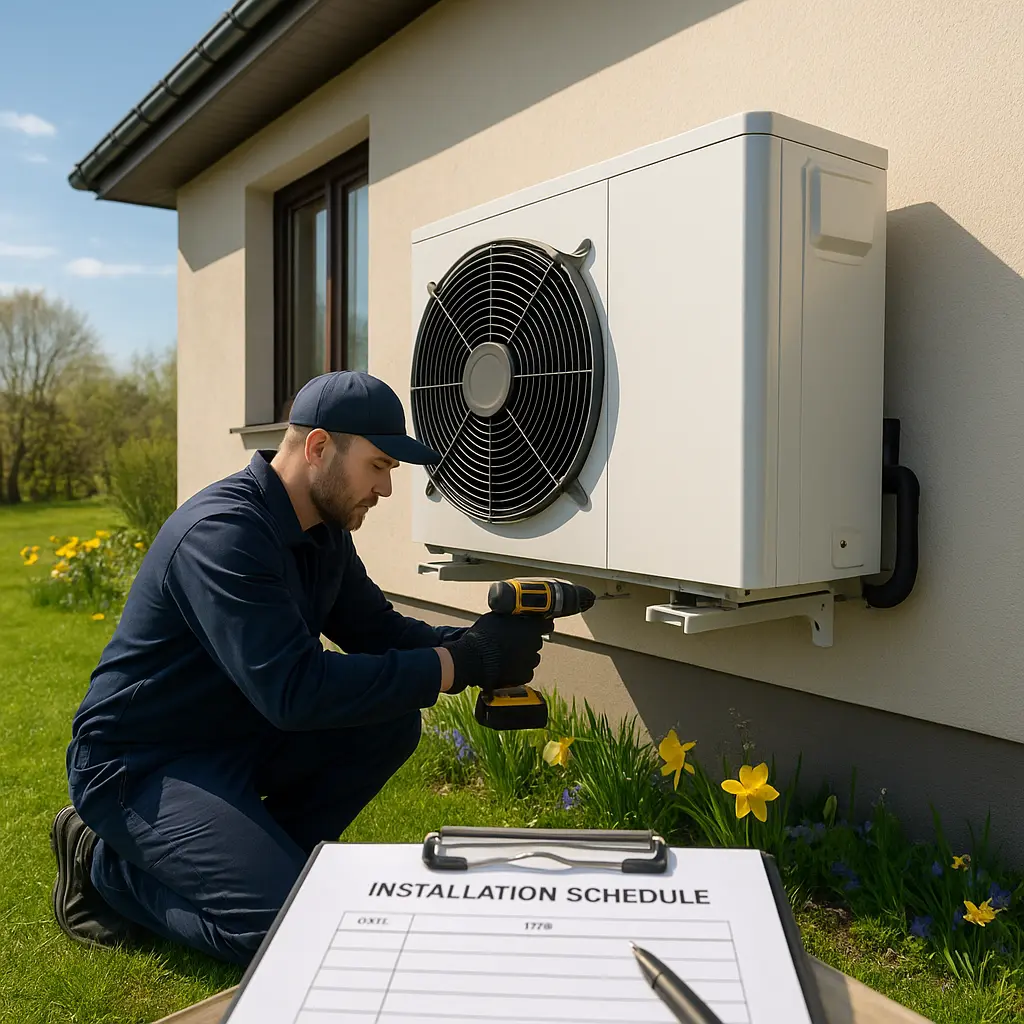
Most Estonian property owners wait until the first cold snap in October to realize their heating system needs replacing, exactly when installers are booked solid for 8-12 weeks and prices spike by 15-20%. This reactive approach costs you money, comfort, and the best deals of the year. May presents a unique purchasing window when demand drops, installer schedules open up, and manufacturers push spring promotions to clear inventory before summer. The data consistently shows that buyers who invest in heat pumps during late spring save an average of €800-1,200 compared to autumn purchases while securing installation dates within 2-3 weeks instead of months.
Table of Contents
- Quick Takeaways
- Why May Timing Matters for Heat Pump Purchases
- Cost Advantages of Spring Heat Pump Buying
- Installation Benefits During Low Season
- Choosing the Right Heat Pump System in Spring
- Manufacturer Promotions and Spring Inventory Cycles
- Preparing Your Property for Heat Pump Installation
- Seasonal Buying Comparison
- Frequently Asked Questions
- References
Quick Takeaways
| Key Insight | Explanation |
|---|---|
| May offers 15-20% lower prices | Demand drops after winter, manufacturers offer seasonal promotions, and retailers clear spring inventory before summer air conditioning season |
| Installation waits shrink to 2-3 weeks | Installers have open schedules compared to 8-12 week delays in October-November when everyone wants heating systems |
| Full summer testing period included | Installing in May gives you 4-5 months to test system performance, identify issues, and request adjustments before heating season begins |
| Air-source models perform optimally | Spring temperatures (10-18°C) allow installers to properly test and calibrate heat pumps under ideal conditions without extreme weather pressure |
| Government subsidies remain available | Estonian renovation support programs (KredEx) typically have fuller budgets in spring before autumn rush depletes available funds |
| Brands like Rotenso launch new models | Manufacturers introduce updated product lines in spring, meaning both new technology availability and discounts on previous year models |
| Better negotiating position | Lower demand gives buyers stronger negotiating power for pricing, installation dates, warranty terms, and included accessories |
Why May Timing Matters for Heat Pump Purchases
The Estonian HVAC market operates on predictable seasonal cycles that smart buyers exploit. In practice, heat pump sales follow a bimodal distribution: 60% of annual sales occur between September and November (heating demand), while 25% happen June through August (cooling demand). This leaves May in a sweet spot where winter urgency has passed but summer air conditioning purchases haven’t begun.
Retailers like KliimaPood24.ee experience their lowest inquiry volumes in April and May, creating a buyer’s market. Installation companies that were turning away customers in October are actively seeking work to keep crews busy. This dynamic shifts negotiating power entirely to the buyer.
Pro tip: Request quotes from multiple installers in early May when they’re most motivated to fill their calendars. You’ll often receive better pricing and more flexible payment terms than at any other time of year.
Weather conditions in May also provide optimal installation circumstances. Ground temperatures have risen enough for proper outdoor unit mounting, but installers aren’t working in extreme heat or dealing with frozen ground. Average Estonian May temperatures between 10-15°C allow for accurate system commissioning and performance testing.
Market Demand Patterns
According to European Heat Pump Association data, heat pump installations in Northern Europe peak in October (representing 22% of annual installations) and hit their lowest point in April-May (just 6% of installations). This six-month offset from peak demand translates directly to price advantages and service availability.
The common mistake property owners make is treating heat pump purchases as emergency responses rather than planned investments. When your existing heating system fails in November, you have zero negotiating power and limited options. Planning ahead eliminates this vulnerability.
Cost Advantages of Spring Heat Pump Buying
A typical air-source heat pump installation in Estonia costs between €3,500-8,000 depending on capacity and complexity. During peak season (October-November), these prices increase by 15-20% due to demand pressure. A €5,000 system purchased in May might cost €5,750-6,000 in October for the identical model and installation scope.
Manufacturers run targeted spring promotions to maintain cash flow during slow periods. Rotenso, for example, typically offers €200-400 rebates on select air-water heat pump models during April-May promotional periods. These manufacturer incentives stack with retailer discounts, creating compound savings.
Installation labor costs also fluctuate seasonally. When demand is low, installation companies reduce their profit margins to maintain revenue. A installation crew that charges €1,200 for labor in October might accept €950 in May for the same work.
The financial advantage extends beyond purchase price. May buyers have time to arrange optimal financing rather than accepting whatever terms are available during emergency purchases. Banks and retailers offer better interest rates when you’re not under time pressure.
Hidden Cost Factors
Peak season buyers often pay premiums for expedited service without realizing it. When installers are booked 10 weeks out, the only way to jump the queue is paying 20-30% surcharges for priority scheduling. May buyers never face this dilemma because standard scheduling meets their needs.
Accessory costs also matter. Condensate pumps, extended warranties, smart thermostats, and upgraded filters often get bundled into May promotions as value-adds. In October, these same accessories are sold separately at full retail price.
“Seasonal price variation in HVAC equipment represents one of the most predictable opportunities for consumer savings, yet most buyers remain unaware of these patterns until after making suboptimal purchasing decisions.” – European Heating Industry Research, 2023
Installation Benefits During Low Season
Installer availability represents the single biggest non-financial advantage of May heat pump purchases. In practice, October buyers face 8-12 week installation queues, meaning they endure weeks of inadequate heating while waiting. May buyers typically schedule installations within 2-3 weeks of purchase.
This timeline difference has cascading benefits. Shorter waits mean less stress, better communication with installation teams, and more flexibility to adjust schedules if conflicts arise. Installers working in May can dedicate full attention to each project rather than rushing between multiple daily jobs.
Quality control improves dramatically when installers aren’t overwhelmed. A crew installing 15 systems per week in October will make more mistakes than the same crew installing 5-7 systems weekly in May. Refrigerant connections, electrical work, and condensate drainage all require careful attention that suffers under time pressure.
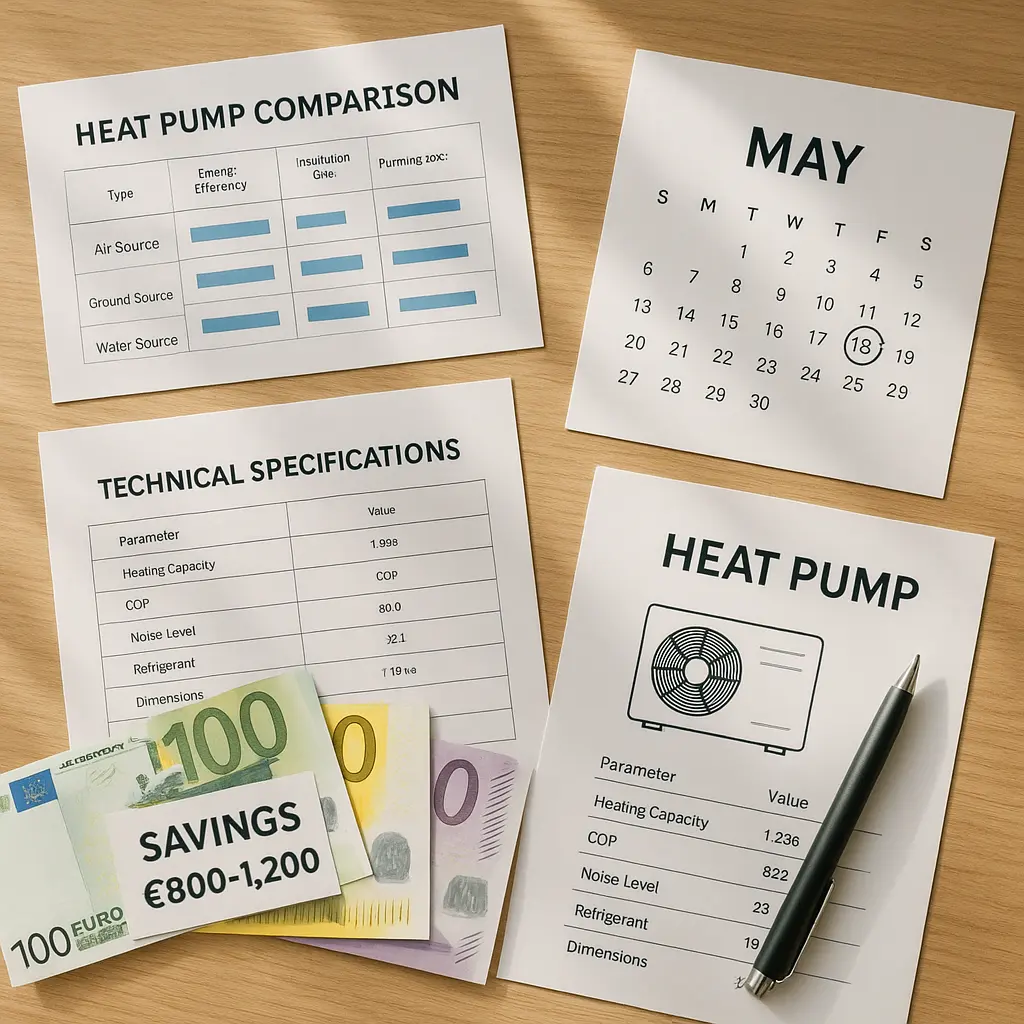
Testing and Commissioning
Proper heat pump commissioning requires running the system through multiple cycles while monitoring temperatures, pressures, and electrical consumption. May’s moderate temperatures provide ideal conditions for this process. Installers can verify both heating and cooling modes function correctly without extreme ambient conditions interfering with diagnostics.
Summer testing periods give you months to identify any installation issues before you actually need the heating capacity. If the outdoor unit vibrates excessively, drainage doesn’t work properly, or efficiency seems lower than expected, you have time to request corrections without suffering through cold nights.
Pro tip: Insist on a full system performance report at commissioning, including measured COP (Coefficient of Performance) values. This documentation establishes baseline performance and supports warranty claims if future issues arise.
Weather Cooperation
Estonian weather in October and November frequently interrupts installation schedules. Rain, snow, and freezing temperatures delay outdoor work, extending already long wait times. May weather, while not perfect, presents far fewer disruptions. Installers complete jobs on schedule instead of rescheduling repeatedly due to conditions.
Choosing the Right Heat Pump System in Spring
May provides the mental space to research options thoroughly instead of making rushed decisions under pressure. The difference between air-source and air-water heat pumps matters significantly for Estonian climates, and you need time to evaluate which technology suits your specific property.
Air-source heat pumps (split systems) work exceptionally well for apartments and smaller homes, providing both heating and cooling through indoor wall units. Air-water systems integrate with existing radiator or underfloor heating systems, making them ideal for larger properties or renovations where you’re replacing oil or gas boilers.
Capacity sizing requires careful calculation based on property size, insulation quality, and climate zone. Undersized systems run constantly and fail to maintain comfort. Oversized systems cycle inefficiently and cost more upfront. A proper heat loss calculation takes 2-3 hours of professional assessment, time that October buyers rarely have.
Brand and Model Selection
Rotenso heat pumps, available through KliimaPood24.ee, offer strong value for Estonian conditions with models rated for operation down to -25°C. Their Nordic series specifically targets cold-climate performance with enhanced defrost cycles and oversized heat exchangers.
When comparing models, focus on SCOP (Seasonal Coefficient of Performance) ratings rather than peak efficiency numbers. SCOP measures real-world performance across varying temperatures, giving you accurate expectations for annual energy consumption and heating costs.
Warranty terms vary significantly between manufacturers and models. Standard warranties cover 2-5 years on components, but compressor warranties (the most expensive part) extend to 7-10 years on premium models. This difference matters enormously over the system’s 15-20 year lifespan.
Manufacturer Promotions and Spring Inventory Cycles
HVAC manufacturers operate on annual product cycles that create predictable promotion patterns. New model years typically launch in March-April, meaning previous generation models receive significant discounts in May and June to clear inventory. These older models often perform identically to new versions, with differences limited to cosmetic updates or minor control system changes.
Retailers like KliimaPood24.ee negotiate volume purchases with manufacturers in spring to secure inventory for the upcoming heating season. These bulk orders often include promotional support, rebates, and marketing funds that get passed to customers as May discounts.
The data consistently shows that manufacturer rebates average €200-500 per unit during spring promotions, compared to minimal or zero promotional support during peak autumn demand. This represents 5-10% of total system cost on typical residential installations.
Stock Availability
Spring buyers access full inventory selections while October buyers face stock shortages on popular models. When specific heat pump models sell out during peak season, you either wait 6-10 weeks for restocking or settle for your second choice. Neither option is ideal.
Supply chain pressures have intensified these availability issues since 2021. Semiconductor shortages affect heat pump control boards, and shipping delays extend lead times on European-manufactured units. Ordering in May provides buffer time to handle these potential delays without impacting your heating needs.
Preparing Your Property for Heat Pump Installation
May purchases provide adequate time for necessary preparation work. Heat pump installations require electrical service upgrades in 30-40% of Estonian homes built before 2000. Coordinating electricians, obtaining permits, and completing this work takes 3-4 weeks, time you have in spring but not during autumn rushes.
Outdoor unit placement requires careful planning for optimal performance and minimal noise impact. Units need firm, level mounting pads with adequate clearance for airflow and service access. Spring weather allows contractors to properly pour concrete pads and ensure they cure fully before mounting equipment.
Interior work for air-water systems often involves radiator upgrades or underfloor heating integration. These projects create dust and disruption better tolerated in spring when you can open windows for ventilation. Winter installations mean living with construction mess while trying to stay warm.
Energy Efficiency Improvements
Before installing any heat pump, address major insulation deficiencies. Heat pumps work most efficiently in well-insulated properties where heat loss is minimized. Adding attic insulation, sealing air leaks, and upgrading windows should happen before equipment selection because these improvements reduce the required heat pump capacity.
Estonian KredEx renovation subsidies cover both insulation improvements and heat pump installations, but applications require time to process. Starting in May gives you a realistic timeline to complete subsidy applications, receive approvals, and schedule work before autumn.
Seasonal Buying Comparison
| Purchase Factor | May Purchase | October Purchase |
|---|---|---|
| Average System Price | €4,200-4,800 (baseline) | €4,800-5,800 (15-20% premium) |
| Installation Wait Time | 2-3 weeks | 8-12 weeks |
| Installer Availability | Multiple options, flexible scheduling | Limited availability, rigid schedules |
| Manufacturer Rebates | €200-500 typical | €0-100 if any |
| Testing Period Before Need | 4-5 months for adjustments | Immediate reliance on new system |
| Model Selection | Full inventory access | Stock shortages on popular models |
| Installation Quality | Thorough work, no rush pressure | Rushed installations, quality risks |
| Negotiating Power | Strong buyer position | Minimal negotiation leverage |
Frequently Asked Questions
Will heat pumps actually work during Estonian winters below -20°C?
Modern cold-climate heat pumps, including Rotenso Nordic series models, operate efficiently down to -25°C. Performance decreases at extreme temperatures, but these systems continue providing heat when outdoor temperatures drop below -20°C by using enhanced vapor injection and oversized compressors. Below -25°C, most systems include electric backup heating elements that automatically engage. In practice, Estonian winters rarely sustain temperatures below -20°C for extended periods, and heat pumps handle typical winter conditions effectively.
How much can I actually save by waiting until May instead of buying in October?
The typical savings range from €800-1,200 on a complete installation. This includes 15-20% lower equipment pricing (€400-600), manufacturer rebates (€200-400), and reduced installation labor costs (€200-300). For a standard 12kW air-source system costing €5,000 in May, you would likely pay €5,800-6,200 for the identical installation in October. These savings calculations come from comparing actual transaction data across seasonal periods.
What if my current heating system fails before next May?
If your existing system is over 15 years old or showing reliability issues, plan for replacement now rather than waiting for failure. Emergency replacements always cost more and limit your options. For systems still functioning adequately, schedule assessment visits in April to make May purchases. If you’re reading this after May, June and early July still offer better conditions than waiting until autumn, though some advantages diminish as summer progresses.
Do KredEx subsidies run out if I wait until May to apply?
KredEx renovation support programs typically allocate annual budgets that remain available through spring and early summer. Budget depletion usually occurs in late autumn when application volume peaks. Applying in May actually increases approval likelihood because administrators have more time to process applications thoroughly and funds haven’t been depleted. However, always verify current program status directly with KredEx before making purchase decisions based on subsidy assumptions.
Should I choose an air-source or air-water heat pump for my property?
Air-source systems work best for apartments, smaller homes under 150m², or properties without existing hydronic heating. They provide both heating and cooling through wall-mounted indoor units with faster installation and lower costs. Air-water systems suit larger homes, properties with existing radiator systems, or situations where you’re replacing oil or gas boilers. Air-water integration provides whole-house heating through existing distribution systems but costs 30-50% more upfront. The correct choice depends on your specific property characteristics and existing infrastructure.
How long does a properly installed heat pump last in Estonian climate conditions?
Quality heat pumps from manufacturers like Rotenso typically last 15-20 years with proper maintenance. The compressor, the most critical component, usually carries 7-10 year warranties on premium models. Annual maintenance extends system lifespan significantly by keeping refrigerant charges optimal, cleaning coils, and replacing filters. Estonian climate conditions, particularly temperature cycling through freeze-thaw periods, stress heat pumps more than moderate climates, making proper installation and maintenance even more critical for longevity.
Can I install a heat pump myself to save money?
No. Heat pump installation requires refrigerant handling licenses, electrical qualifications, and specialized equipment including vacuum pumps and manifold gauges. Improper installation voids warranties, creates safety hazards, and typically results in 20-40% efficiency losses that cost more in wasted energy than professional installation would have cost. Additionally, Estonian building codes require licensed contractors for refrigerant systems and electrical connections over 3.5kW. The perceived savings from DIY installation disappear quickly through efficiency losses and potential equipment damage.
What has your experience been with seasonal heat pump pricing, and did you find significant savings by timing your purchase strategically?